



Foodies know this enigmatic wild mushroom elevates mere soups, stews and stuffings to the highest of culinary planes. Here's how to find, store and cook with them.
The mysterious morel is a shady member of the fungi family. Prized for its enigmatic nature and subterranean flavour, the very essence of this wild mushroom elevates mere soups, stews and stuffing to the highest of culinary planes. Morels can be an awful lot of work. They are difficult to find, in forest or supermarket, and even more difficult to care for and preserve. But aficionados believe these dusky trophies are well worth the effort. When finally unearthed, the smell of a morel evokes the essence of life – and it simply tastes like heaven!
Finding Morels
Until recently, if you wanted to sample the earthy goodness of a morel, grabbing a basket and heading to the woods was the only thing for it. Now, for a price, the less adventurous can purchase morels in specialty supermarkets, or even order dried specimens on-line.
In spite of modern conveniences, true morel lovers still seek their beloved treasure underneath fallen trees, in thick piles of damp leaves, or in areas burned by forest fire. If the idea of taking to the woods in search of elusive gastronomical booty is appealing, follow these guidelines:
- Timing: Morels reluctantly show themselves about six weeks after the ground thaws, or up to eight weeks if the winter has been particularly dry. They are at their best between April and June, and the perfect time to go hunting is the day after a heavy rain fall.
- Identification: It is very important to correctly identify wild mushrooms. Many undomesticated species are toxic, which makes morel hunting a bit of a blood sport. Sure, this only adds to the appeal of the chase—but it is certainly not to be taken lightly. If you know a morel expert, bring him or her along with you on your first hunt. Do some research on the internet or at the library and use your new found knowledge to carefully examine every mushroom you unearth.When cut lengthwise, a true morel is hollow from top to bottom. The long, conical cap is covered in deep, prune like ridges, and is always attached to the shorter stem.
- Collection: Always gather morels in mesh bags. That way, the spores can return to the ground, and you can be sure to find more mushrooms when you return next spring. To further increase chances of repopulation, cut the morel with a knife or shears – never pull it up by the roots.
Storing Morels
If you cannot use your morels immediately, they must be dried or precooked and frozen. Otherwise, bacteria growth can get out of control and cause mild illness upon consumption. These bacteria are always present, so never eat a raw morel and always store them in absorbent paper bags.
- Sun drying: In the early morning, place unwashed specimens in direct sunlight on a non-metal screen and leave to dry for eight to ten hours. Place the dried morels in paper bags and keep them in a cool, dry place. If stored properly, they will last for years. To rehydrate, place morels in cool water for a few hours.
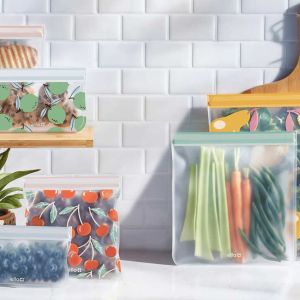
- Freezing: The best method of freezer storing morels is to sauté them in butter with onions or garlic. Once the mixture has cooled, transfer it to resealable plastic bags and freeze in batches.
Cooking with Morels
Part of the appeal of morels lies in their versatility. The nutty flavour and meaty texture means morels stand up well in rich dishes. Their complexity means they are also lovely on their own. Large morels can be stuffed through the base, or halved and packed with fillings. Morels also suit cream sauces and are a wonderful addition to risotto.
Try it today: